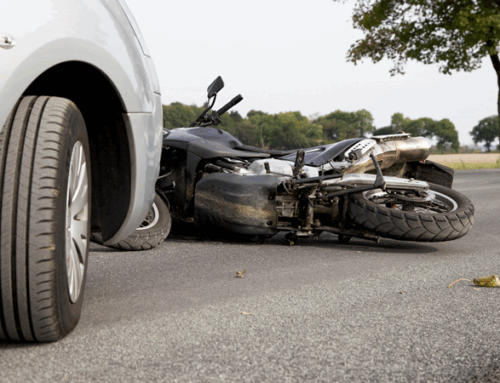


Charlotte, NC (March 12, 2026) – Two pedestrians were seriously injured in a crash on Thursday morning, March 12, in Charlotte. The incident occurred around 7:45 a.m. on Wilann Drive near a local school.
Emergency crews responded after receiving reports that a vehicle had struck two pedestrians in the area. When crews arrived, they found both victims injured on the roadway. Paramedics evaluated the victims at the scene before transporting them to Atrium Health Carolinas Medical Center for further treatment.
Authorities reported that both pedestrians suffered potentially life-threatening injuries. Officials have not released details about the identity of the individuals involved.
Investigators documented the scene and gathered evidence to determine the circumstances of the incident. The investigation remains ongoing.
Our thoughts are with the injured pedestrians, and we hope they make a steady and full recovery.
How Medical Records Support a Pedestrian Injury Claim in North Carolina
Emergency medical records often create the first official documentation of injuries after a pedestrian crash. Hospital intake reports record symptoms, visible trauma, and physician observations shortly after the incident. The timing of these records helps connect the injuries directly to the accident.
Diagnostic testing later provides additional details about the injuries. Imaging scans, physician evaluations, and hospital notes identify fractures, internal injuries, or other physical harm. These documents help explain the seriousness of the injuries suffered.
Follow-up medical visits can also become important records. Appointments with specialists, therapists, and primary care physicians demonstrate the progression of recovery after the crash. These records reflect the medical care required throughout the healing process.
Doctors often record a patient’s history and descriptions of injuries during treatment. These observations may help clarify how the pedestrian accident caused the physical harm. Medical notes can link reported symptoms and diagnoses to the crash.
Treatment records can also show how injuries affect daily activities. Therapy notes sometimes describe mobility challenges, physical limitations, or restrictions on routine tasks. This information can demonstrate how injuries influence a person’s ability to function.
Medical bills and treatment invoices can reveal the financial impact of the crash. Hospital charges, rehabilitation costs, and prescription expenses often appear in billing statements. These records help document the economic losses connected to the injuries.
Insurance companies frequently review medical documentation when evaluating claims for injuries. Adjusters may examine hospital records, treatment timelines, and physician assessments. These documents can significantly impact how a pedestrian accident claim is evaluated.
A pedestrian accident attorney can investigate the crash, gather medical records, and review treatment history. A lawyer can also explain how these documents may support a claim under North Carolina law. Our team at Campbell & Associates has experience helping victims of pedestrian accidents. We help you understand how medical records may support your claim.
To learn more about your options, contact Campbell & Associates at (704) 333-0885.
Notes: This post is based on reports from news outlets, police scanners, and eyewitnesses. While we aim for accuracy, our team has not independently verified the details. If you see an error or want the post removed, please contact us—we’ll respond promptly.
Disclaimer: At Campbell & Associates, we’re focused on promoting safer driving in North and South Carolina. This post is for awareness purposes only—it is not legal or medical advice, nor a request for business. Images used are not from the actual accident site.